



2026-11-06T23:54:00.000+02:00
F r i d a y , 0 6 / 1 1 / 2 0 2 6 | 2 1 : 5 4 G M T by
Tanya Chepkova
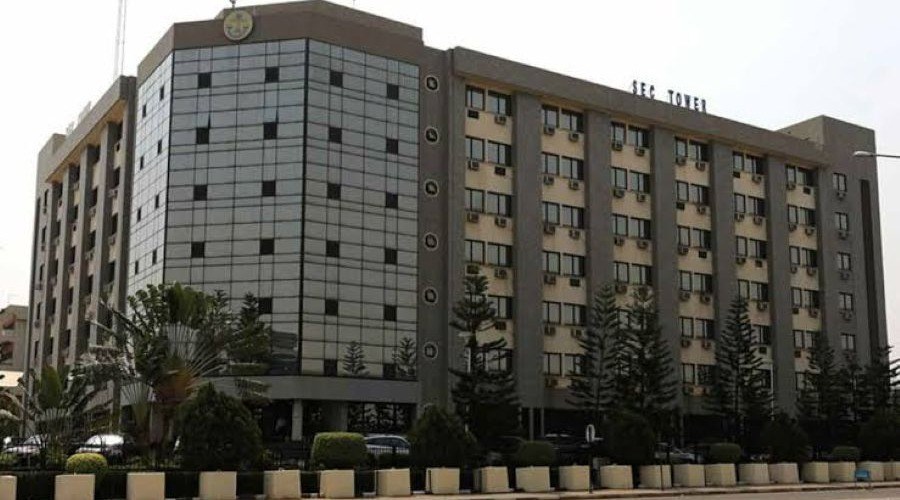
Dollar stablecoins can serve Nigerian retail users only through a locally incorporated, CBN-licensed issuer. Stablecoin payments or remittances might require separate CBN approval. Nigeria’s Securities and Exchange Commission Headquarters. Nigeria has adopted regulations for non-security virtual assets that make it one of the most restrictive stablecoin market-access regimes currently in force. According to the document, published by the Central Bank of Nigeria (CBN), foreign issuers must build a locally licensed operation before making their tokens available to retail customers.
New rules combine local incorporation, token-level approval, capital requirements and separate permissions for payment functions. The regulations, effective from 5 November, apply to overseas companies targeting Nigerian users even when those businesses have no physical presence in the country. Dollar Stablecoins Need a Nigerian Issuer The CBN divides stablecoins into two categories. Class 1 covers tokens pegged to the naira, while Class 2 applies to those referencing foreign currencies, such as dollar-backed tokens USDT or USDC. Foreign issuers are effectively cut off from the local retail customers until they establish a Nigerian company, obtain Class 2 issuer licence, and CBN approval for their tokens
That local company must maintain at least NGN15 billion (approximately $11.1 million) in paid-up capital and provide operational liquidity for redemptions in Nigeria.
Tokens must be fully backed by assets denominated in their reference currency, with an additional 2% buffer. The issuer must also appoint a Nigerian bank to process local redemption requests. Stablecoin Payments Require a Second Approval The new framework divides oversight: the SEC remains responsible for trading and investment-related custody, while the CBN controls payment and money-transfer services. An SEC-licensed crypto platform can therefore list a stablecoin or hold it for trading clients. However, for customer transfers, merchant payments, remittances, payment gateways or stored-value products separate CBN authorisation is required. These permissions are activity-specific. A company authorised for custody or exchange cannot assume that the same approval covers a P2P service or cross-border payments.
Providers of these non-issuance services must also maintain at least NGN1 billion, or approximately $741,000, in additional capital. Moreover, a SEC-regulated platform cannot use the same funds to satisfy both regulators’ requirements. Conversions between naira and a foreign-currency stablecoin may require an authorised foreign-exchange channel, transaction reporting and specific CBN approval. This regulatory approach creates a layered model in which the token, its issuer and each payment function must all receive the appropriate permission. Nigeria Is Already One of Africa’s Largest Crypto Markets The rules apply to a market where cryptoassets are used for more than speculative trading. Stablecoins provide Nigerian citizens and businesses with access to dollar-denominated value and an alternative channel for cross-border payments when conventional transfers are expensive or foreign currency is difficult to obtain. Chainalysis estimated that Nigeria recorded $38.1 billion in crypto activity between July 2025 and June 2026, slightly below South Africa’s $39.3 billion.
Nigeria also ranked third in the company’s global grassroots adoption index, » …
About Post Author



More Stories
Latest Solana Ecosystem Growth Accelerates as SOL Price Eyes Potential Recovery in Cryptocurrency
Latest Anchorpoint Taps Solana to Launch HKDAP Regulated Stablecoin in Cryptocurrency
Latest Uniswap launches TJAR fee tool, but only fast searchers capture the hidden arbitrage profit